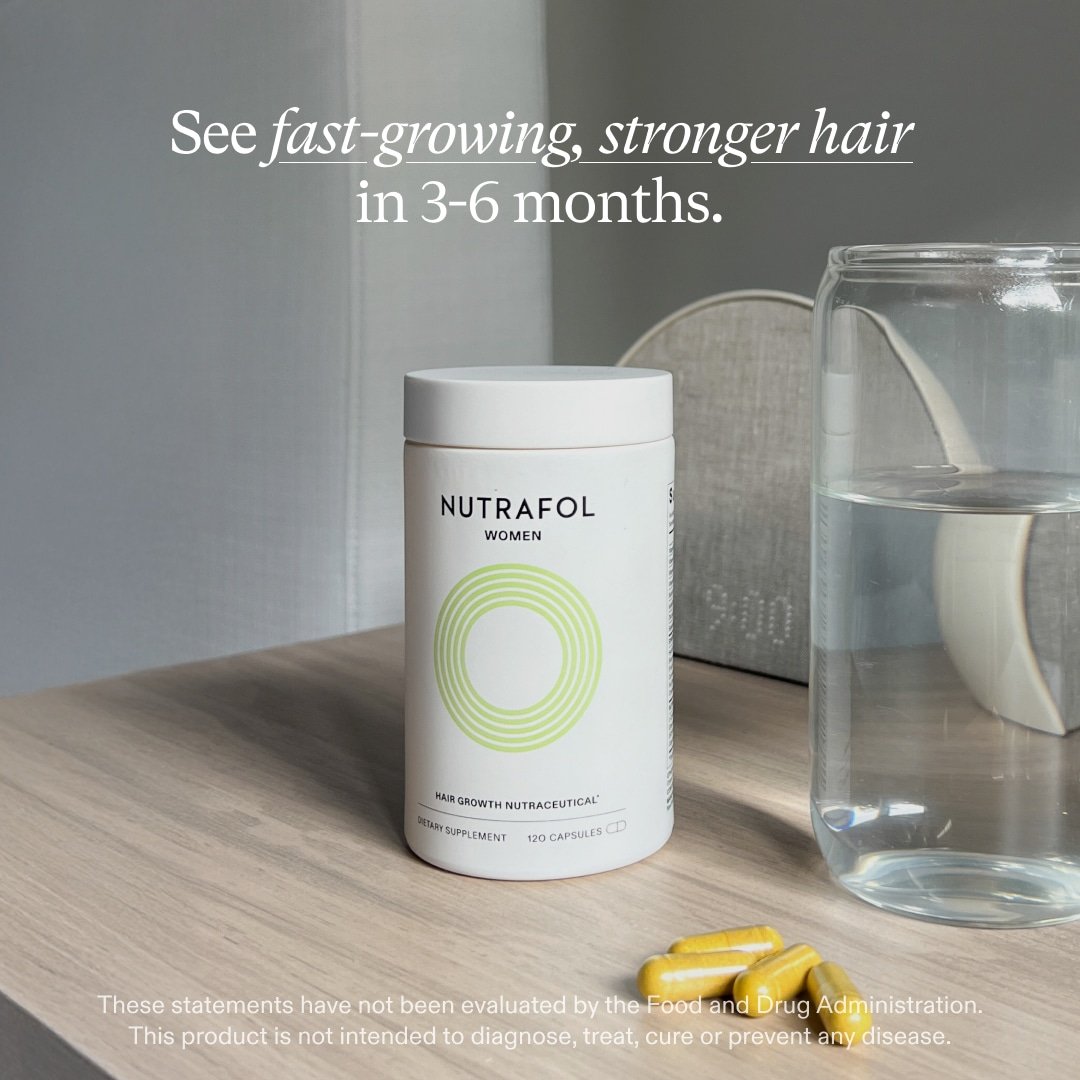
You've likely seen the ads, heard the buzz, or perhaps even have a friend who swears by it. Nutrafol has emerged as a prominent player in the vast world of hair growth solutions, promising a natural, drug-free path to thicker, healthier hair. But with so many products making grand claims, a crucial question remains: what about Nutrafol efficacy and real results? Does this popular supplement truly deliver on its promises, or is it just another expensive hope in a bottle?
As a seasoned journalist delving into health and wellness, I'm here to cut through the noise. We'll explore the science, the ingredients, what real users report, and – most importantly – what you need to know before investing your time and money. Because when it comes to something as personal as hair loss, you deserve clear, trustworthy answers.
At a Glance: What You Need to Know About Nutrafol
- What it is: A natural, drug-free dietary supplement designed to address various root causes of hair thinning for men and women.
- Key Ingredients: Contains a blend of botanicals (like ashwagandha, saw palmetto, curcumin), vitamins, minerals, and marine collagen.
- Efficacy Claims: Nutrafol-funded studies suggest it may promote hair growth, reduce shedding, and improve hair quality.
- Real-World Results: User reviews are mixed; some report gradual improvements, while others see no change. Best results may be for those with minimal loss.
- Time to See Results: The company suggests 3-6 months of consistent daily use.
- Cost: On the pricier side, with subscriptions offering savings and additional wellness perks.
- Not FDA-Approved: Like most supplements, Nutrafol is manufactured in an FDA-registered facility but is not subject to FDA approval.
- Potential Downsides: Can be expensive, requires long-term commitment, results aren't guaranteed, some users report mild side effects, and certain ingredients carry a risk of liver damage.
- Crucial Advice: Always consult a healthcare provider before starting any new supplement, especially if you have underlying health conditions, are pregnant/nursing, or taking medications.
Understanding Hair Loss: More Than Just a Bad Hair Day
Before we dive deep into Nutrafol, it's essential to grasp the complex nature of hair loss itself. Losing hair can be incredibly distressing, yet it’s a surprisingly common experience, affecting millions worldwide. It’s not just about what you see in the mirror; it’s often a symptom of deeper imbalances.
Humans typically have about five million hair follicles, and scalp hair grows roughly one centimeter per month. It's completely normal to lose 100-200 hairs a day as part of the natural hair growth cycle. However, when you start noticing excessive shedding, bald patches, a significant thinning of your hair, or changes in texture, it’s a signal to pay attention.
Hair loss (medically known as alopecia) isn't a single condition but a symptom with a myriad of potential causes. These can include:
- Genetics: Hereditary hair loss (androgenetic alopecia) is very common.
- Hormonal Changes: Postpartum, menopause, thyroid imbalances, or conditions like PCOS can trigger shedding.
- Stress: Chronic stress elevates cortisol, pushing hair follicles into a resting phase prematurely.
- Nutritional Deficiencies: Lack of essential vitamins, minerals, or proteins can impact hair growth.
- Medical Conditions & Treatments: Autoimmune diseases, infections, and certain medications (e.g., chemotherapy) can cause hair loss.
- Lifestyle Factors: Over-styling, tight hairstyles, excessive heat, chemical treatments, poor sleep, excessive alcohol, smoking, and toxin exposure.
- Inflammation: Gut inflammation or systemic inflammation can impact nutrient absorption and overall hair health.
Because the root causes are so varied, a one-size-fits-all solution rarely exists. This context is vital when evaluating any product claiming to restore hair, including Nutrafol.
Nutrafol Unpacked: What Exactly Are You Taking?
Nutrafol isn't a prescription drug; it's a dietary supplement. Manufactured by Nutraceutical Wellness Inc. in New York City, it prides itself on being a drug-free, natural solution. The company offers a range of tailored formulas for different demographics: women (18-44), women over 45/menopausal, postpartum women, vegan women, and men.
The supplements are crafted with a blend of natural ingredients, including herbs, fatty acids, phytonutrients, foods, vitamins, and minerals. They are quality-tested, non-GMO, and produced in an FDA-registered facility. It's important to reiterate that while the facility is registered, Nutrafol supplements are not FDA-approved, as vitamins and supplements are not subject to the same rigorous evaluation process as pharmaceutical drugs.
So, what's inside these capsules that purportedly works wonders? Let's break down some of the key players and their proposed mechanisms:
- Sensoril Ashwagandha: This adaptogenic herb is included to help the body build resistance to stress. By lowering elevated cortisol levels, it aims to counteract the stress-induced shift that can push hair follicles from their active growth phase to a resting phase.
- Saw Palmetto: Often highlighted for its role in hair health, saw palmetto may help correct sensitivity to Dihydrotestosterone (DHT). It's thought to do this by blocking the enzyme 5-alpha reductase, which converts testosterone to DHT. High levels of DHT can contribute to the miniaturization of hair follicles, a common factor in pattern baldness.
- Vitamin E: An antioxidant, Vitamin E is included to improve the correction of oxidative stress. This imbalance between free radicals and antioxidants can damage cells, including those critical for healthy hair growth.
- Curcumin (from Turmeric): This potent anti-inflammatory compound is believed to target metabolism. Adequate metabolic function provides the necessary energy for hair follicles to grow. When metabolism is compromised by inflammation, poor diet, hormone imbalances, or thyroid issues, hair growth can suffer.
- Marine Collagen, Probiotics, Maca, Astaxanthin: These are additional ingredients that Nutrafol incorporates, each with proposed benefits ranging from supporting hair structure (collagen) and gut health (probiotics) to hormone balance (maca) and antioxidant protection (astaxanthin). The idea is a multi-targeted approach to address various underlying factors contributing to hair thinning.
The philosophy behind Nutrafol is to tackle hair loss holistically by addressing multiple "root causes" rather than just surface symptoms.
The Science Behind Nutrafol: What Do the Studies Say?
When evaluating the efficacy of any health product, especially one with a premium price tag, we naturally turn to scientific evidence. Nutrafol has, to its credit, conducted several randomized placebo-controlled trials. These types of studies are considered the gold standard in research because they compare the product's effects against a dummy pill (placebo) in a way that minimizes bias.
These trials have suggested that Nutrafol may indeed:
- Promote hair growth: Participants experienced an increase in hair count.
- Reduce shedding: A decrease in the number of hairs lost daily was observed.
- Improve hair quality: Users reported better hair strength, thickness, and overall appearance.
However, a crucial point to note is that these studies were funded by Nutrafol. While this doesn't automatically invalidate the results, it's a factor that researchers and consumers alike should be aware of, as funding sources can sometimes influence research outcomes. Independent, third-party studies would provide an even stronger validation of efficacy.
Setting Expectations: When Will You See Results (and What Kind)?
The company clearly states that results are not instantaneous. They claim that users may start to see improvements in 3-6 months with consistent daily use. This timeline aligns with the natural hair growth cycle, as it takes time for new hair to sprout and mature.
Real-world user reviews, however, present a mixed bag:
- Gradual Improvement: Many users report noticing less shedding first, followed by new growth and improved texture over several months. Patience and consistent adherence to the regimen seem to be key for these individuals.
- Unhappiness/No Change: Conversely, a significant portion of users report being unhappy with their experience, seeing no noticeable difference even after several months, leading to frustration given the cost.
- Best for Minimal Loss? Some experts and user anecdotes suggest that Nutrafol may be most effective for individuals experiencing minimal hair loss or thinning, rather than severe or advanced cases. It's often positioned as a supplement to optimize hair health and prevent further loss, rather than a powerful re-growth stimulant for significant baldness.
It's also important to understand that there are no guarantees. Hair loss is complex, and individual responses to supplements can vary widely based on genetics, lifestyle, the specific cause of hair loss, and overall health. Furthermore, if you stop taking Nutrafol, your hair loss may return, especially if the underlying cause (like genetics or chronic stress) hasn't been permanently addressed. This implies a long-term commitment is often necessary to maintain any benefits.
Nutrafol's Price Tag: Is the Investment Worth It?
Let's not shy away from the elephant in the room: Nutrafol is an expensive supplement. Here's a quick breakdown of the pricing:
- Single Bottle: Costs $88.
- Monthly Subscription: Reduces the cost to $79/month.
- 3-Month Supply: $224 (shipped tri-monthly), effectively $74.67/month.
- 6-Month Supply: $422 (shipped every 6 months), effectively $70.33/month.
Subscriptions come with additional perks designed to enhance the wellness experience: - Wellness Coaching: Access to a naturopathic doctor.
- Hair Mineral Analysis Testing: Provides insights into potential nutrient deficiencies or heavy metal exposure.
- Headspace Subscription: A meditation app to help with stress management.
Shipping is free for subscriptions, but a single bottle incurs a $6.95 charge.
Given the recommended 3-6 month trial period, you're looking at an initial investment of several hundred dollars before you can even begin to assess its efficacy for your specific situation. This financial commitment is a significant factor for many potential users. Before you dive into a subscription, you might want to Decide if Nutrafol is worth it by weighing its pros and cons against your personal needs and budget.
Important Considerations & Potential Downsides
While Nutrafol is marketed as "natural" and "drug-free," it's crucial to approach any supplement with caution and full awareness of potential risks.
- Cost and Commitment: As discussed, Nutrafol is a significant financial commitment, and results are not guaranteed. The long waiting period (3-6 months) before seeing any potential changes can be frustrating, especially if the product doesn't deliver for you.
- Reported User Side Effects: Although Nutrafol-funded studies reported no side effects, some customers in online reviews and forums have reported experiencing issues such as:
- Stomach upset or digestive issues
- Headaches
- Blurred vision
These anecdotal reports, while not systematically studied, highlight that individual reactions can vary.
- Potential for Liver Damage: This is perhaps the most serious concern. Several ingredients found in Nutrafol, including turmeric, ashwagandha, horsetail, saw palmetto, kelp minerals, and resveratrol, have the potential to cause liver damage, especially in high doses or sensitive individuals. There have been reported cases of liver problems in conjunction with Nutrafol use. This doesn't mean it will happen to everyone, but it's a significant risk factor to be aware of.
- Who Should Avoid Nutrafol:
- Individuals under 18: The formulas are not designed or tested for this age group.
- Pregnant or Nursing Individuals: Safety has not been established for these groups, and given the potent botanical ingredients, it's best to avoid.
- Those Trying to Conceive: Some ingredients might have hormonal effects, so caution is advised.
- Crucial Consultations:
- Anticoagulants/Blood Thinners: Ingredients like turmeric can have anticoagulant properties, so consult your doctor immediately if you are taking blood thinners like Warfarin or aspirin.
- Allergies: Always check the full ingredient list if you have known allergies, especially to botanicals or marine products (collagen).
- Pre-existing Health Conditions: If you have any underlying medical conditions, particularly liver disease, thyroid issues, or hormone-sensitive conditions, a doctor's consultation is paramount before starting Nutrafol. Your doctor can assess potential interactions and risks.
Beyond Nutrafol: A Holistic Approach to Hair Health
While Nutrafol might be part of your hair growth strategy, it's rarely the sole answer. A truly effective approach to hair health often requires addressing underlying issues and adopting a holistic lifestyle. Think of Nutrafol as a potential accelerator or support, not a magic bullet.
The Foundational Fix: Addressing Root Causes
Hair loss is a signal. Instead of just treating the symptom, focus on identifying and addressing the root causes. This often involves:
- Inflammation: Chronic inflammation, often linked to diet and lifestyle, can significantly impact hair follicles.
- Nutritional Imbalances: Deficiencies in vitamins, minerals (like iron, zinc, biotin), and proteins are common culprits.
- Stress: Unmanaged chronic stress is a well-documented driver of hair shedding.
- Unhealthy Habits: Smoking, excessive alcohol, and lack of sleep all take a toll.
- Toxin Exposure: Certain environmental toxins or harsh chemicals in hair products can contribute to damage.
Nourish From Within: Diet & Gut Health
Your diet is foundational. What you eat directly impacts the health of your hair follicles.
- Anti-inflammatory Diet: Embrace a nutrient-dense, whole-foods approach like the Mediterranean or Paleo diet. Focus on fruits, vegetables, lean proteins, healthy fats, and whole grains. These diets provide essential nutrients and help reduce systemic inflammation.
- Consider Gut Health Supplements: A healthy gut is crucial for nutrient absorption. Probiotics can support a balanced gut microbiome. Marine proteins, like those found in certain fish or supplements, can provide amino acids essential for hair structure.
Lifestyle Habits for Healthy Hair
Daily habits play a huge role in maintaining your mane.
- Manage Stress: This is non-negotiable for overall health and hair. Incorporate stress-reducing activities like exercise, yoga, meditation, spending time in nature, or engaging in creative hobbies.
- Prioritize Quality Sleep: Aim for 7-9 hours of restorative sleep each night. Sleep is when your body repairs and regenerates.
- Be Gentle with Your Hair:
- Avoid tight hairstyles: Ponytails, braids, and buns that pull tightly on the scalp can cause traction alopecia.
- Limit heat styling & chemical treatments: Excessive use of blow dryers, flat irons, curling irons, dyes, and perms can damage hair shafts and follicles.
- Gentle brushing: Use a wide-tooth comb or a soft-bristle brush, especially when hair is wet.
- Balanced Diet: Ensure you're getting enough protein, healthy fats, vitamins, and minerals through your food.
- Limit Alcohol & Avoid Smoking: Both can negatively impact nutrient absorption and circulation, essential for healthy hair.
- Minimize Toxin Exposure: Be mindful of parabens, phthalates, and other harsh chemicals in your personal care products.
Other Drug-Free Options
If you're seeking drug-free alternatives or complements, explore these options:
- Red Light Therapy (LLLT): Low-level laser therapy devices (combs, caps) are gaining popularity for stimulating hair follicles.
- Microneedling: Creates micro-injuries on the scalp to stimulate collagen production and improve product absorption.
- Acupuncture: Some believe it can improve blood flow to the scalp and reduce stress, indirectly supporting hair growth.
- Essential Oils: Rosemary oil (diluted in a carrier oil like jojoba) has shown promising results in some studies, comparable to minoxidil, for stimulating hair growth. Peppermint and lavender oils are also popular choices.
- Apple Cider Vinegar Rinses: Can help balance scalp pH and remove buildup, promoting a healthier environment for hair growth.
Conventional Topical Treatments
For more pronounced hair loss, dermatologists often recommend conventional treatments:
- Minoxidil (Rogaine): An over-the-counter topical solution that stimulates hair follicles. It requires consistent, long-term use, and stopping can lead to renewed hair loss. Side effects can include scalp irritation.
- Finasteride (Propecia): A prescription oral medication for men that works by blocking DHT. It can be very effective but also requires long-term use and comes with potential side effects, including sexual dysfunction.
The Journalist's Take: Your Next Steps for Real Results
Navigating the world of hair growth solutions can feel overwhelming, but clarity begins with personalized guidance. If you're experiencing hair loss that concerns you—whether it's increased shedding, thinning, or bald patches—your very first step should always be to consult a healthcare professional. This could be your primary care physician or, ideally, a dermatologist specializing in hair and scalp conditions.
Why? Because a doctor can:
- Diagnose the Root Cause: They can run tests to check for nutritional deficiencies, hormone imbalances, thyroid issues, or other medical conditions contributing to your hair loss. Without identifying the why, any treatment is a shot in the dark.
- Review Your Medical History: They can assess potential interactions with medications you're already taking or pre-existing health conditions that might make certain supplements or treatments unsafe (like the liver concerns with Nutrafol).
- Recommend the Best Approach: Based on a proper diagnosis, they can guide you toward the most effective and safest path forward, which might involve lifestyle changes, specific treatments, or prescription medications.
Nutrafol, for some, has been a beneficial part of their journey towards healthier hair. Its comprehensive blend of natural ingredients targets several pathways related to hair health, making it an appealing drug-free option. However, it's not a miracle cure, nor is it without potential risks or a significant financial commitment.
If you've addressed underlying health issues, committed to healthy lifestyle changes, and still feel you need additional support, then Nutrafol could be a safe option to try – but only after a thorough discussion with your doctor. Remember, results take time, are not guaranteed, and vary greatly from person to person. Empower yourself with information, patience, and professional advice, and you’ll be well on your way to making the best decisions for your hair health.